

This post and photos may contain Amazon or other affiliate links. If you purchase something through any link, I may receive a small commission at no extra charge to you. Any supplies used may be given to me free of charge, however, all projects and opinions are my own.
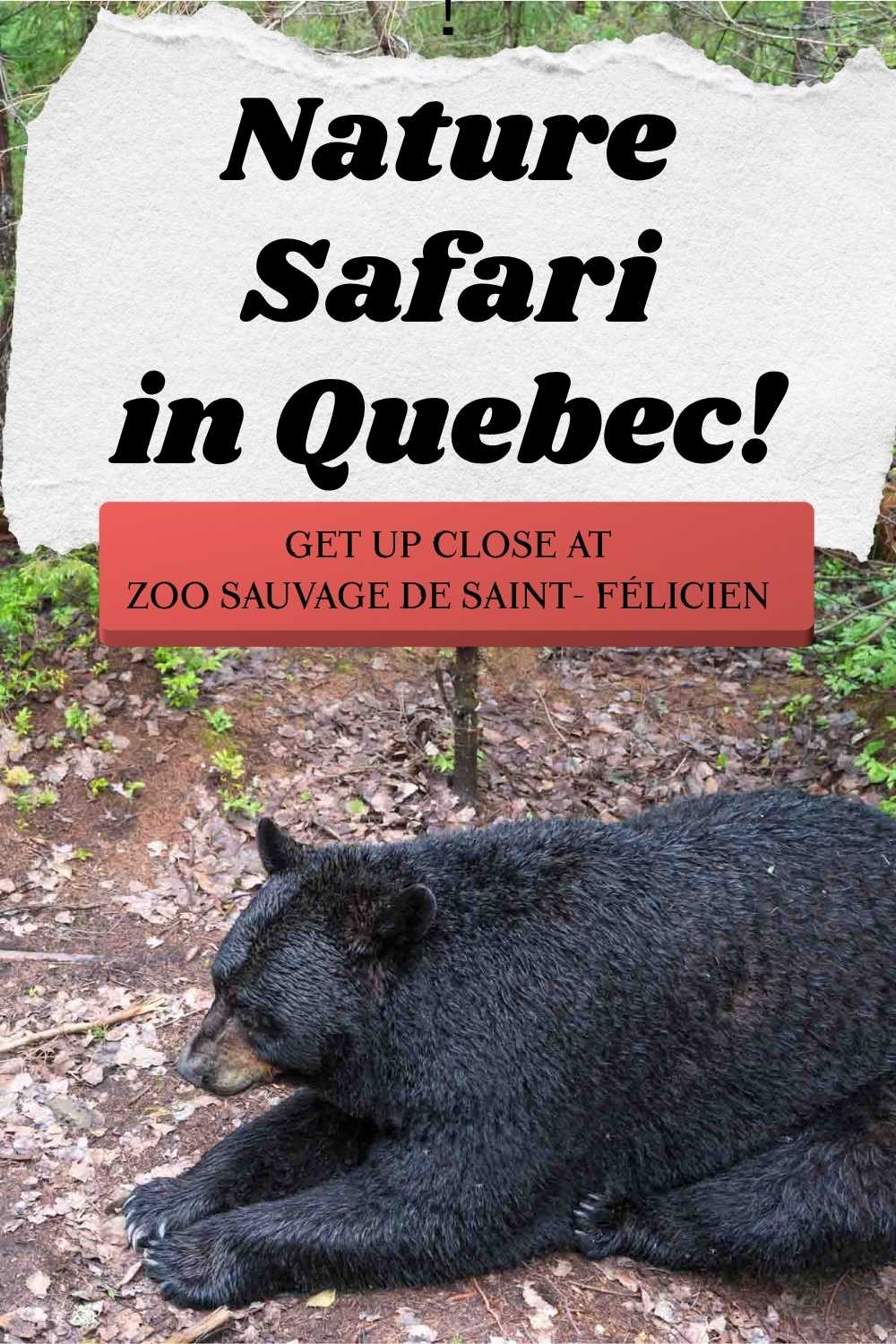
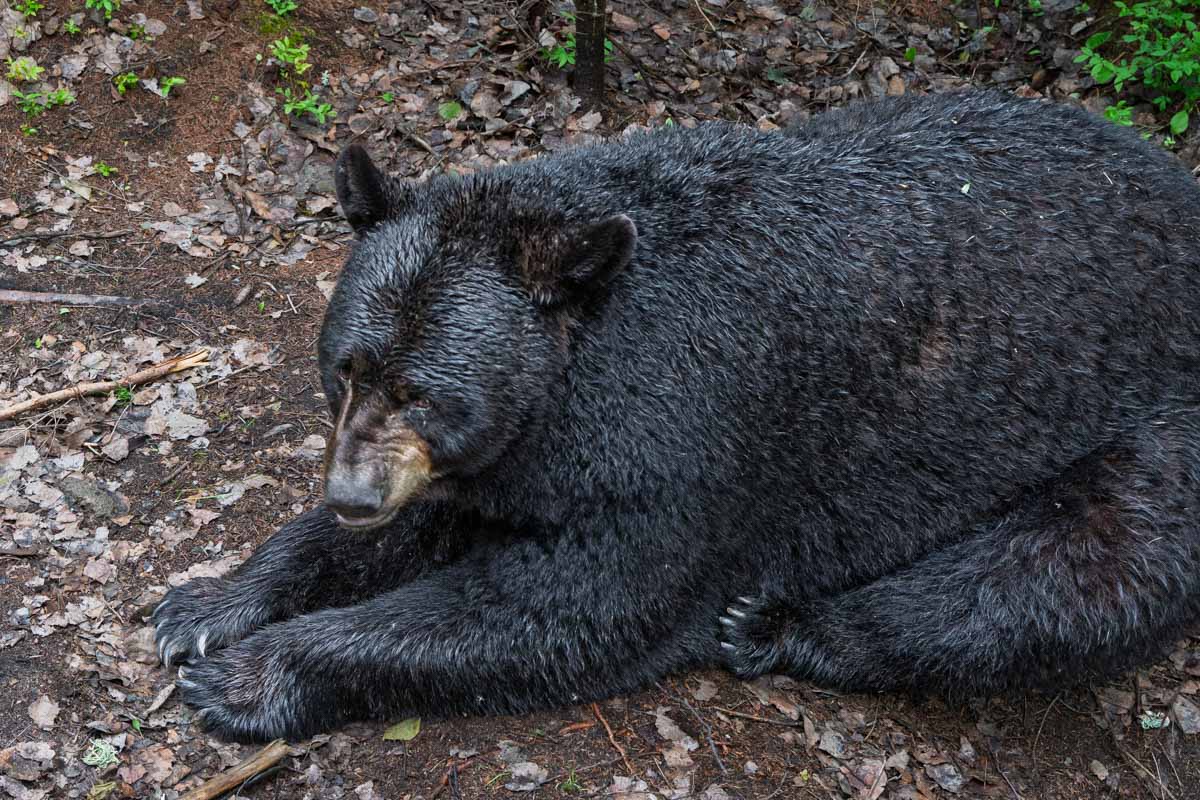
I’ve done many animal encounters on my travels, but nothing compares to Zoo Sauvage de Saint-Félicien in Québec’s Saguenay–Lac-Saint-Jean region. Instead of the standard row of zoo cages, you ride through large natural habitats where wildlife roams freely. At one point, I looked out the window and was less than two feet from a black bear relaxing in the sun. I held my breath as I watched him stand and turn his head,trying to bat the bugs away. I had an upclose look at his thick fur, the moisture on his nose, and his sharp claws.
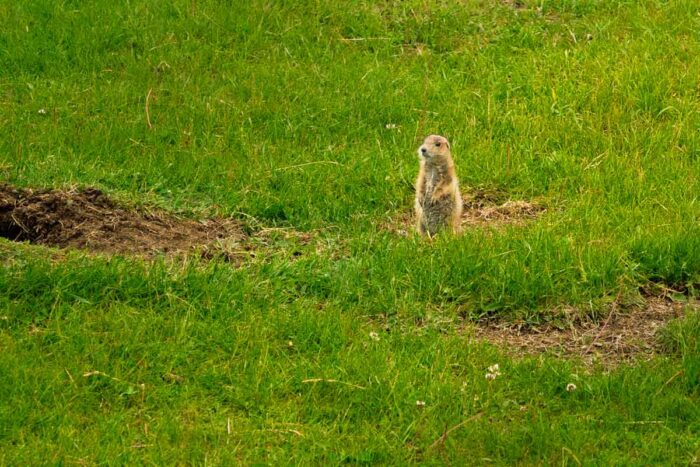
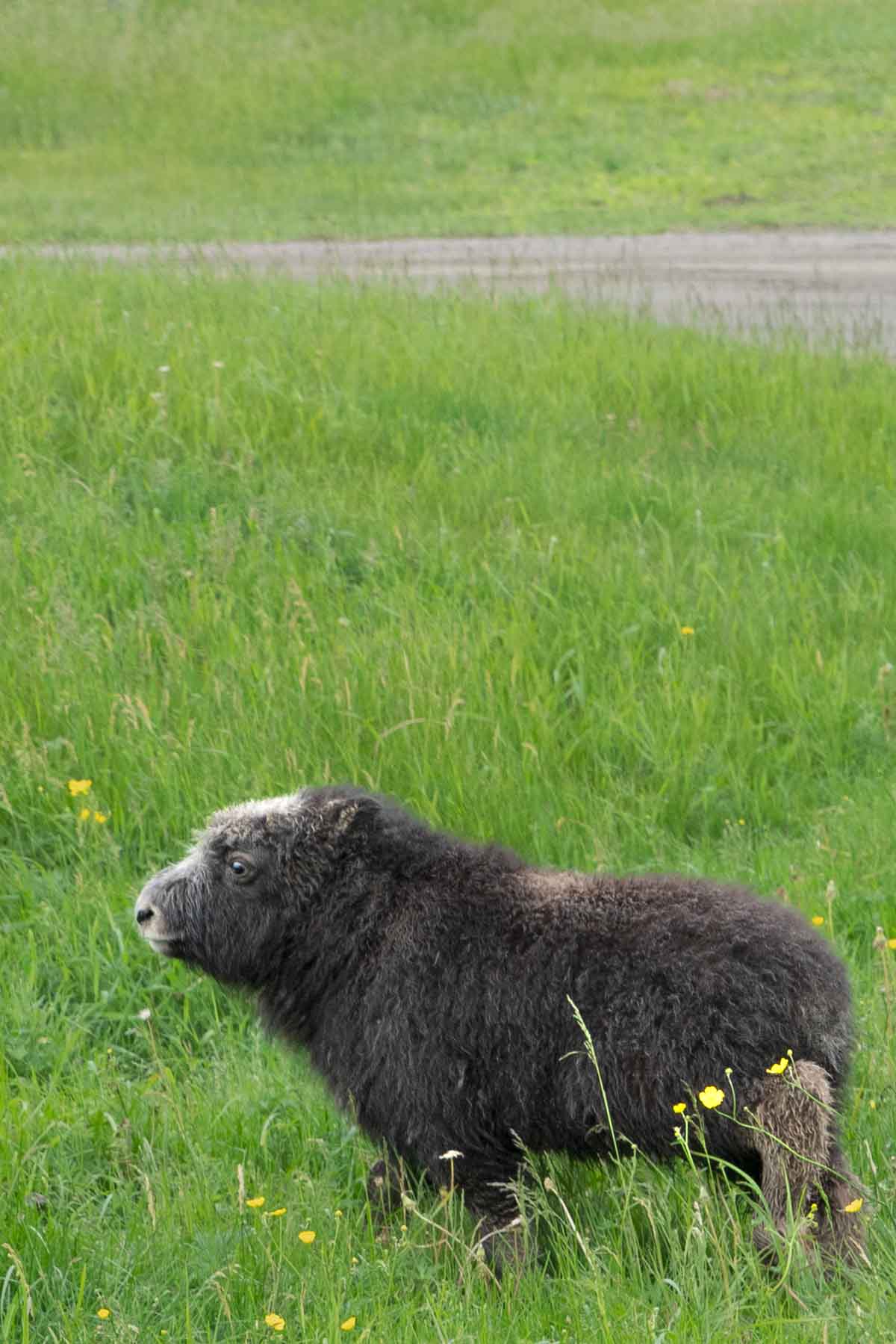
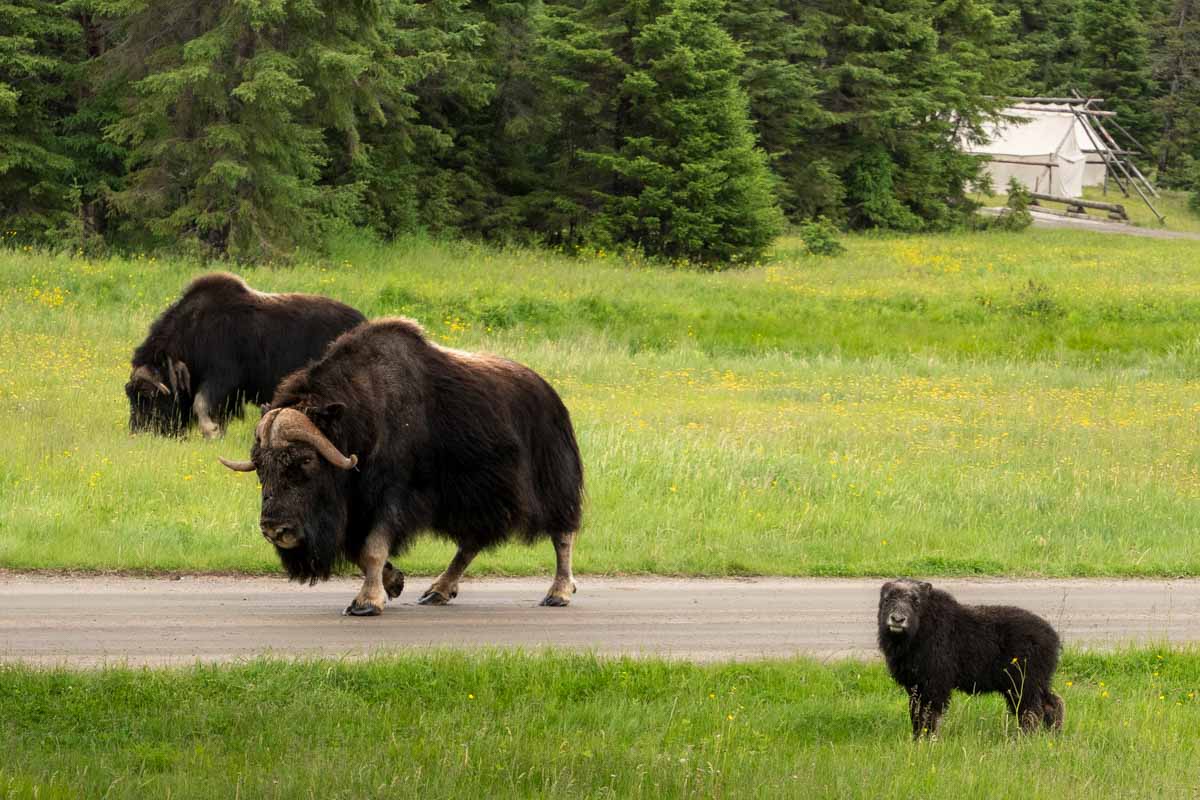
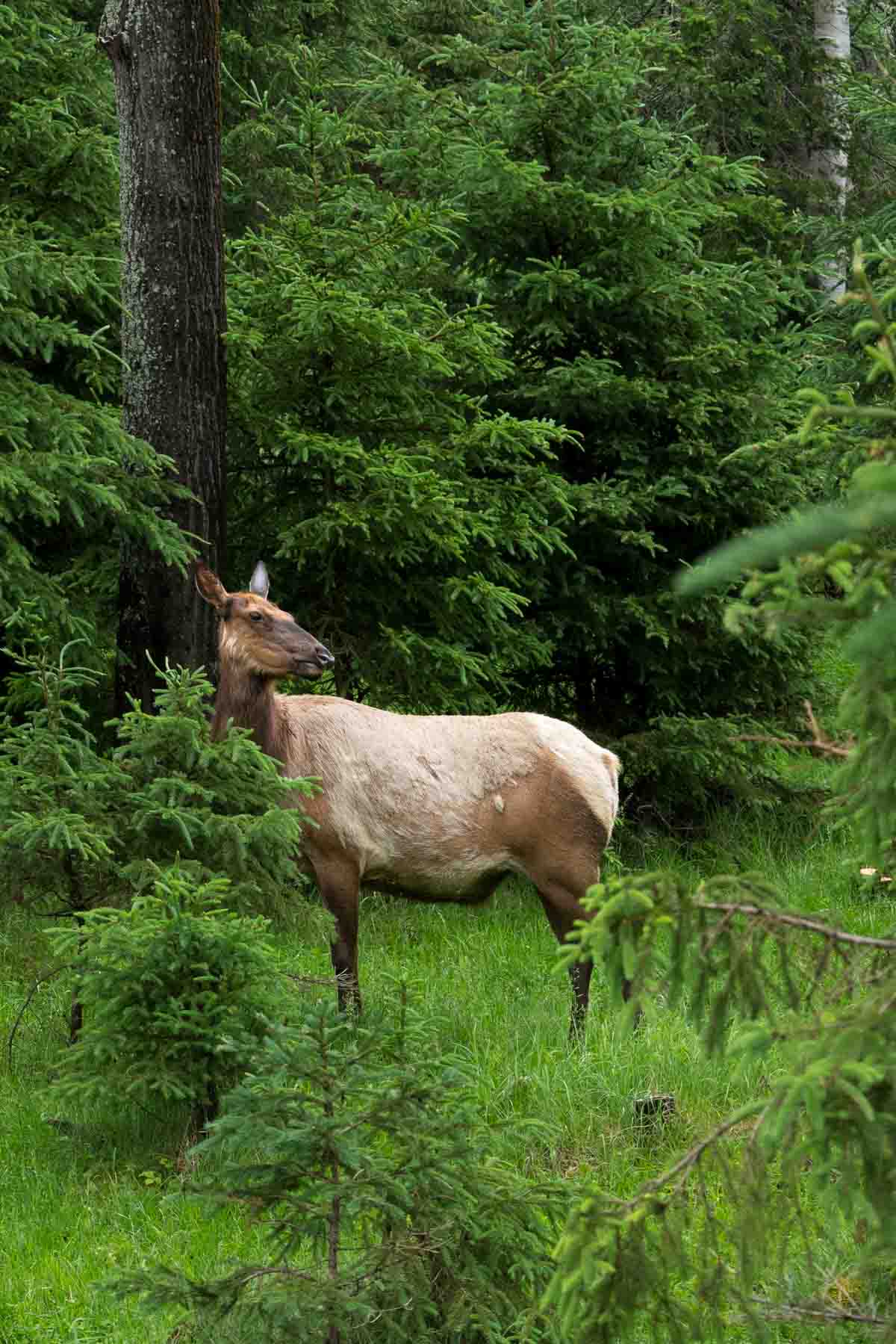
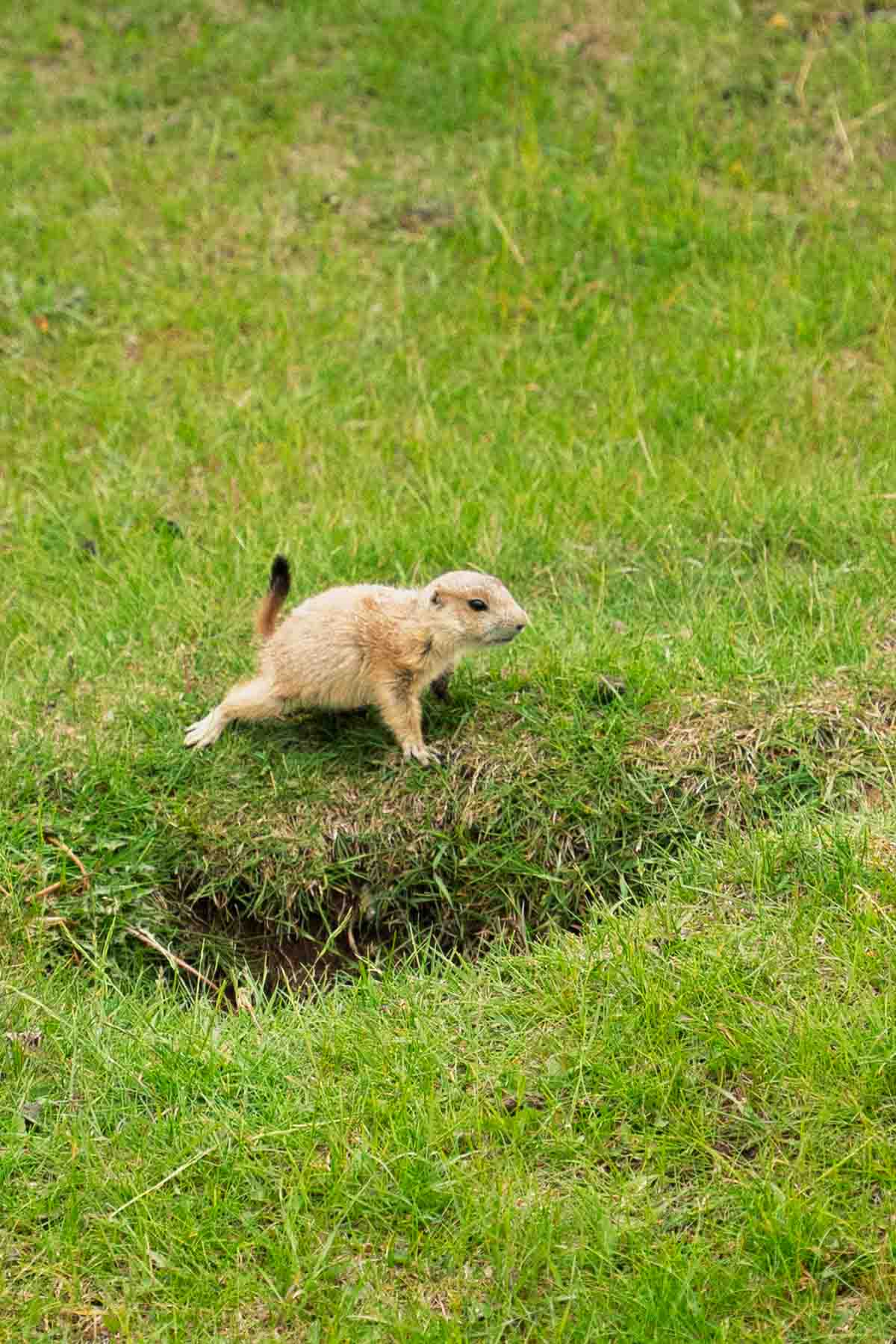
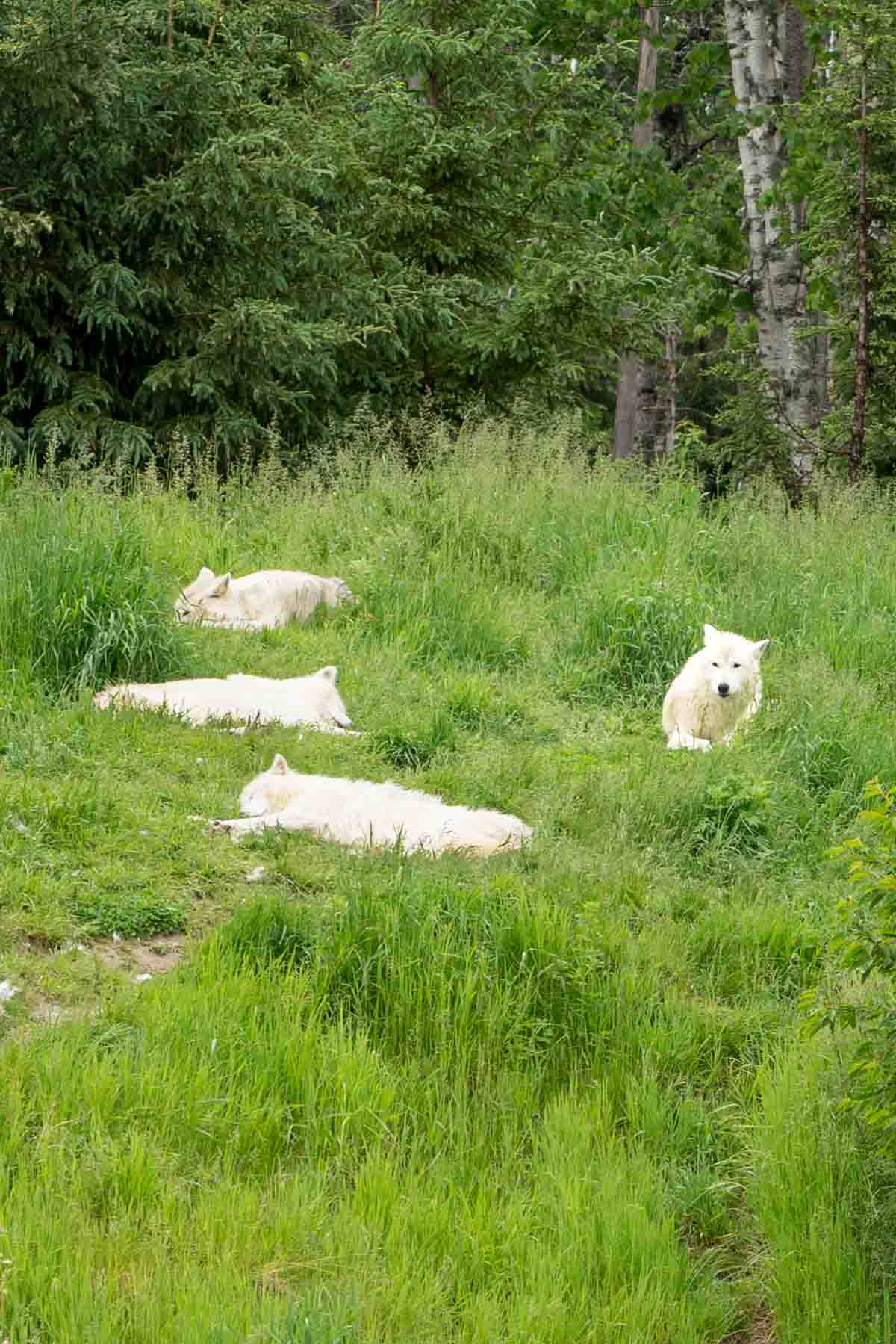
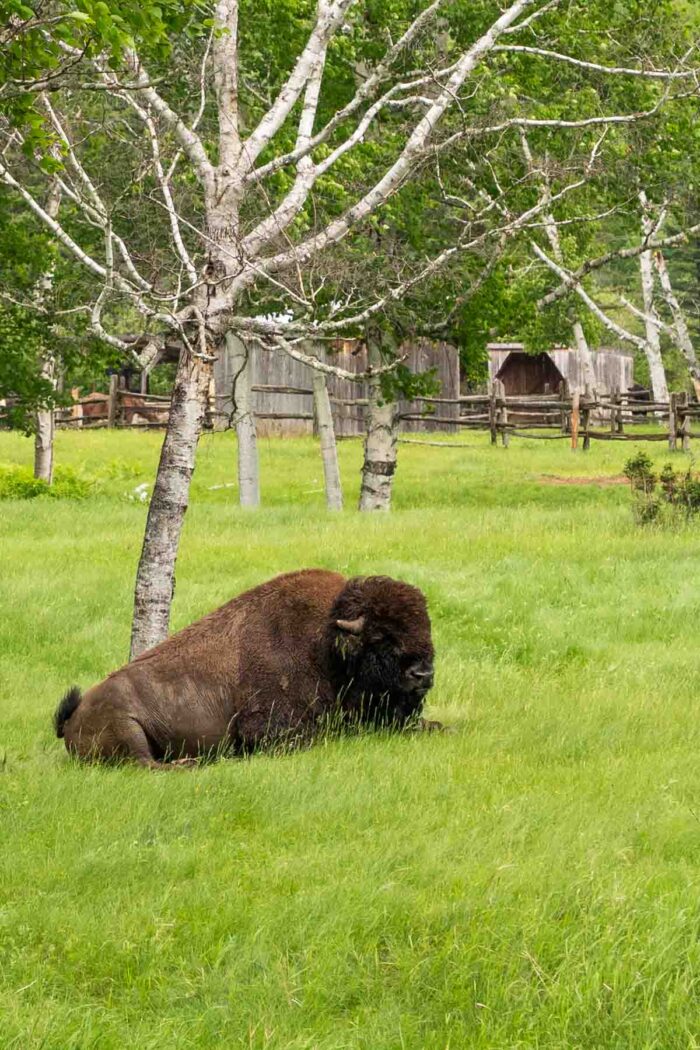
During our drive, we encountered lots of Canadian wildlife: a herd of buffalo including calves grazing in the fields, arctic wolves, reindeer and, shaggy musk oxen. Energetic Black tailed Prairie dogs popped up right before our eyes while the elk gazed straight back at us as though they were taking us in. It felt less like a zoo and more like stepping into the wilds of northern Canada — all while being comfortably guided on the zoo’s famous Nature Trail Park train.
This post may contain affiliate links. Using these links, I earn a small commission at no additional cost to you! This post is in partnership with Zoo Sauvage de Saint-Félicien, TBEX Events, Tourisme Saguenay-Lac-Saint-Jean, Bonjour Quebec and TBEX Events. All opinions are mine alone. Thanks for supporting the brands that support Major Hoff Takes A Wife!
Why Zoo Sauvage de Saint-Félicien is Different From Other Zoos
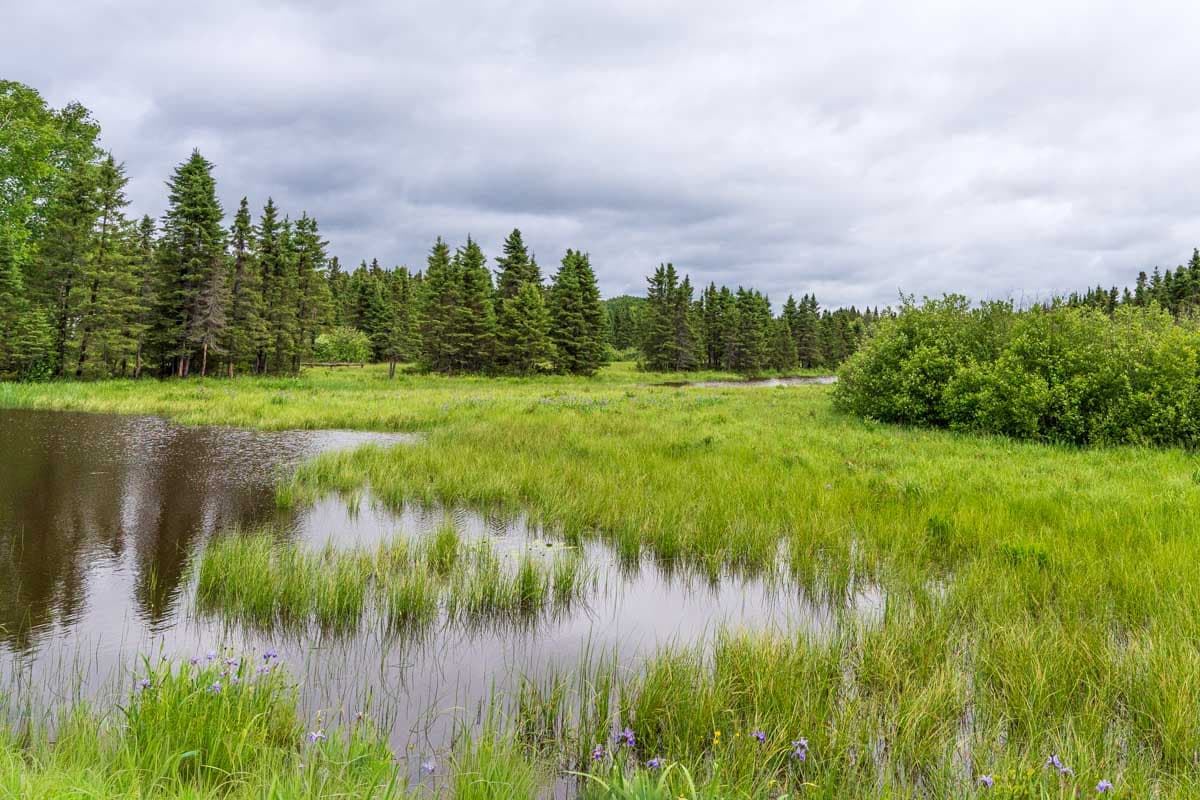
Zoo Sauvage de Saint-Félicien is breaking the mold when it comes to zoo stereotypes. One side is a nature park where you can get up close views of animals, safari style. The other side features a more traditional zoo style but with oversized enclosures that focus on fewer bars and more ecology, on animal happiness and health. Native plants, flora, and fauna with wide sweeps of natural areas make you feel like you are standing in a botanical garden. Humans seem more out of place than some of the exotic creatures living here.
The zoo opened its doors to the public in 1960. The idea was the brainchild of a former Forest Ranger. It started small, but by 1962, with the help of the public and other donors, they acquired a set of polar bears. Over the years, they continued to acquire more exotic animals. By the 1980’s though, they decided to focus more on Nordic animals, realizing the animals did better since the zoo’s climate was more like the environment they would be found in nature.
In 2001, they shifted once again- this time placing a stronger focus on animals from the Boreal region. Boreal forests are the world’s largest biome. Think short summers and long cold winters with a canopy of evergeens and a ground covered in lichen and moss. Only a unique set of wildlife are built for this environment - and this is where the zoo shines. By bringing in species naturally from this ecosystem, the animals already feel at home.
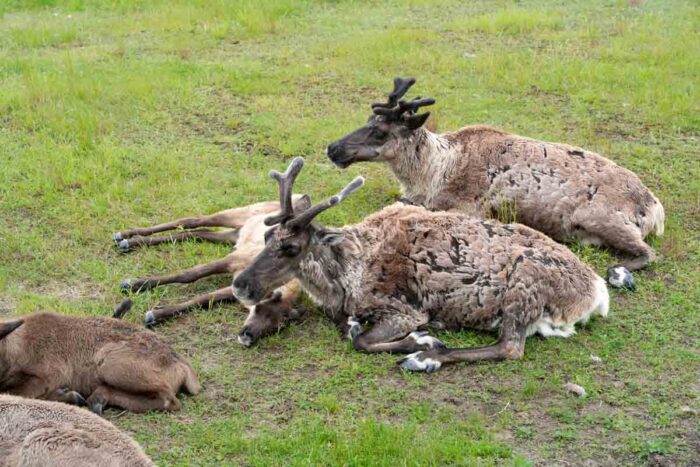
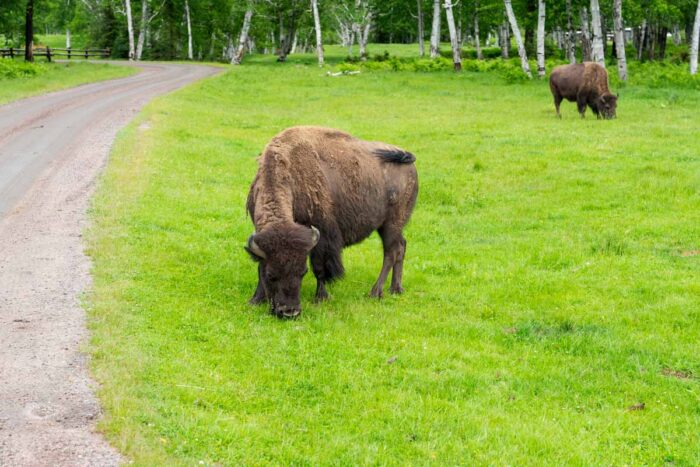
Don’t let the focus on the Boreal region mislead you; there is still a tremendous amount of wildlife to view. You’ll see the traditional Canadian characters like moose, raccoons, and otters. But you’ll also see more animals that are not as easily seen, like Reindeer / Caribou, Plains Bison, or even a grey wolf.
The Nature Trail Park Ride:
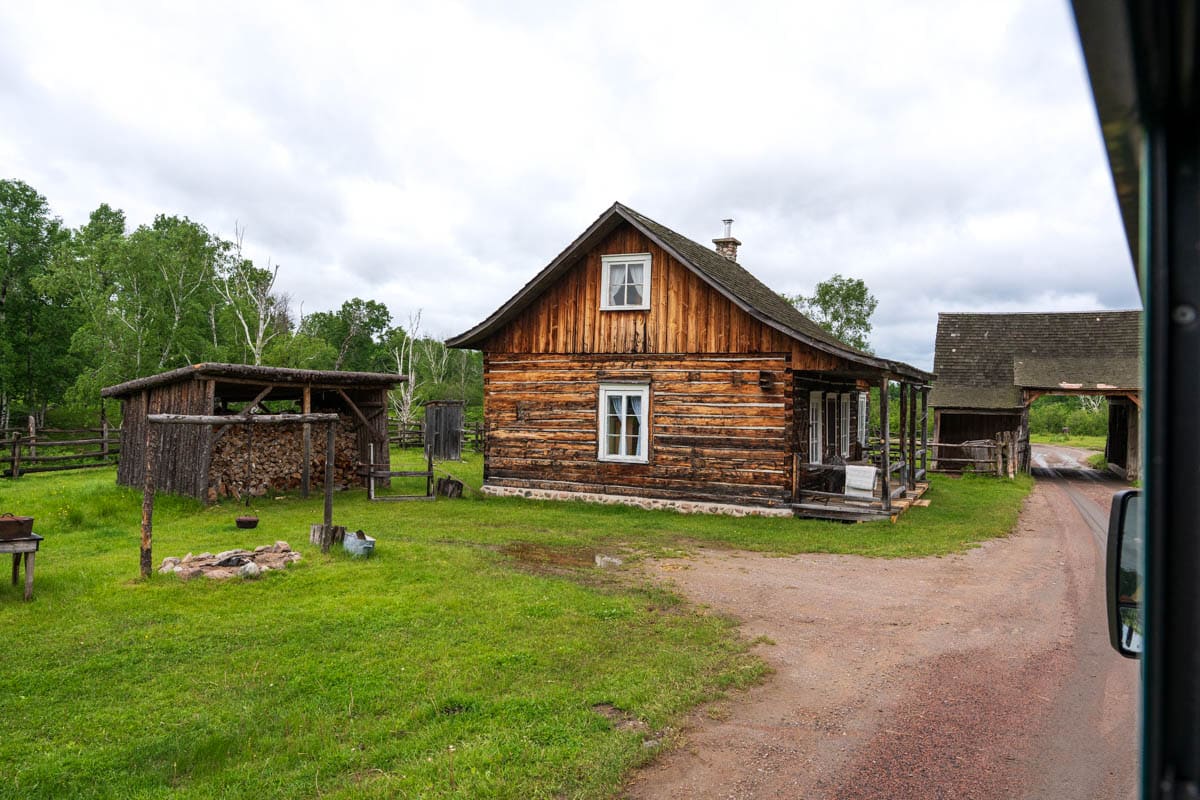
I don’t think a trip to the zoo is complete without a train ride, but this one is so different. Rather than just circling around a traditional zoo layout, this one meanders through the trees, past rivers, and goes deep into the forest. Although it’s not technically a train - there are no train tracks. The four-wheeled cars are connected together and led by a safari-style vehicle.
Although the trail cars have a lot of open area, there are bars to keep you in and protected. The open air environment gives all your senses a chance to take it all in. The bars give you plenty of room to take great photos. Your lenses or phone can easily clear the space.
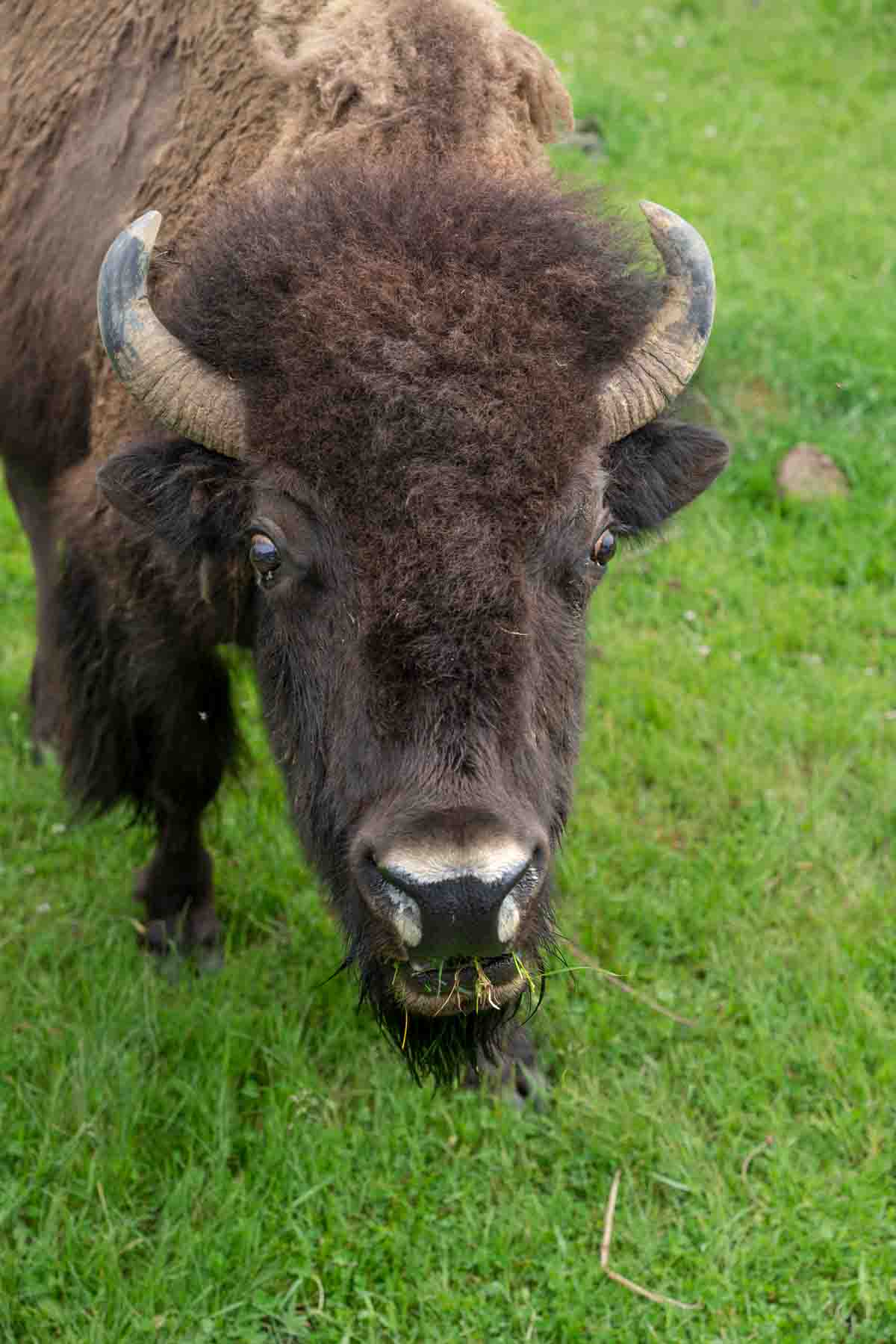
The roads are dirt and gravel, which only adds to the atmosphere. Kids will enjoy all the bumps and the movement back and forth. The ride lasts just over an hour. Because the train is led by a lead vehicle, it gives the driver the ability to stop and spend more time in areas where the animals are active. Our guide knew where the animals like to hang out, and she knew their patterns.
Animals you’ll see at Zoo Sauvage de Saint-Félicien
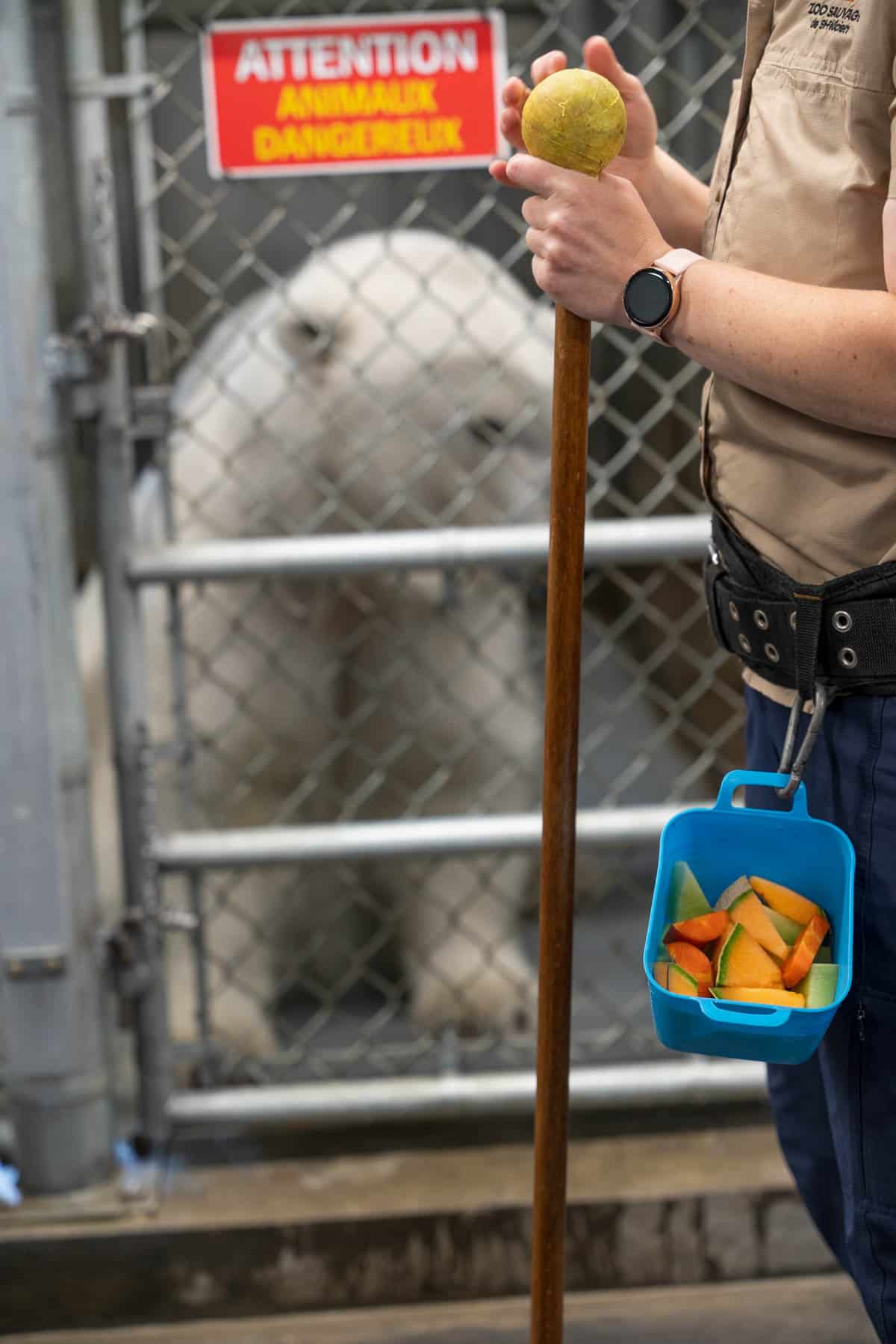
We saw a large number of animals on both the trail ride and in the zoo. The zoo has everything from cougars, coyotes, red pandas, river otters, a wolverine, and polar bears. We were able to get a behind the scenes look at their biomedical training with the Polar Bears.
The training is done so that if they ever have to inspect the animal, it will reduce their stress. This helps prevent using extreme measures like anesthesia when it’s not necessary.
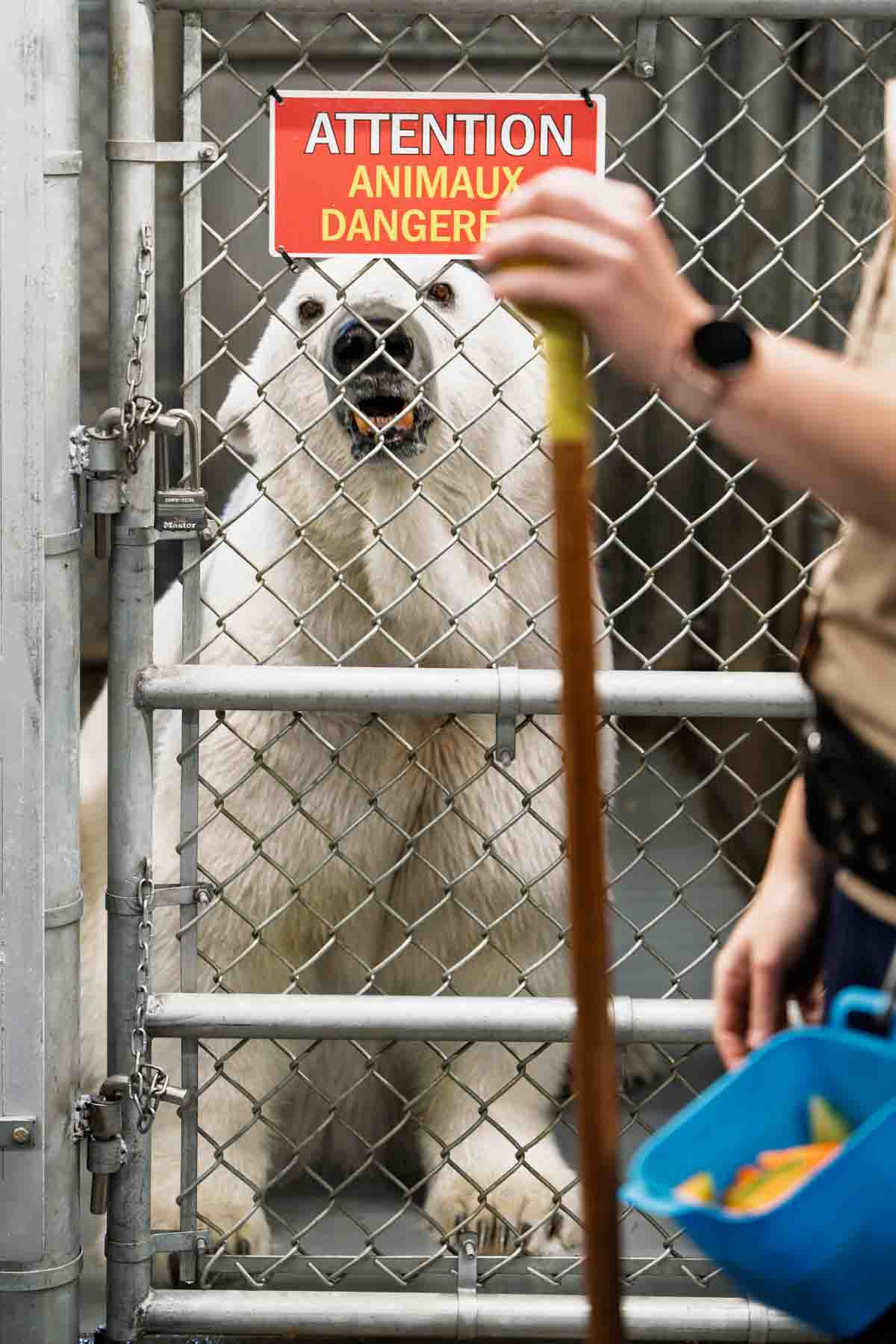
The training is done in French, but it was easy enough to figure out what the trainer was asking. You could see their bond firsthand, and just like our guide, the passion the employees show for their jobs is evident.
There is no guarantee of what animals will be out when you are on the trail ride. Sometimes animals like to hide, and that can be true of the enclosures in the zoo portion. These are the animals we saw while we were there:
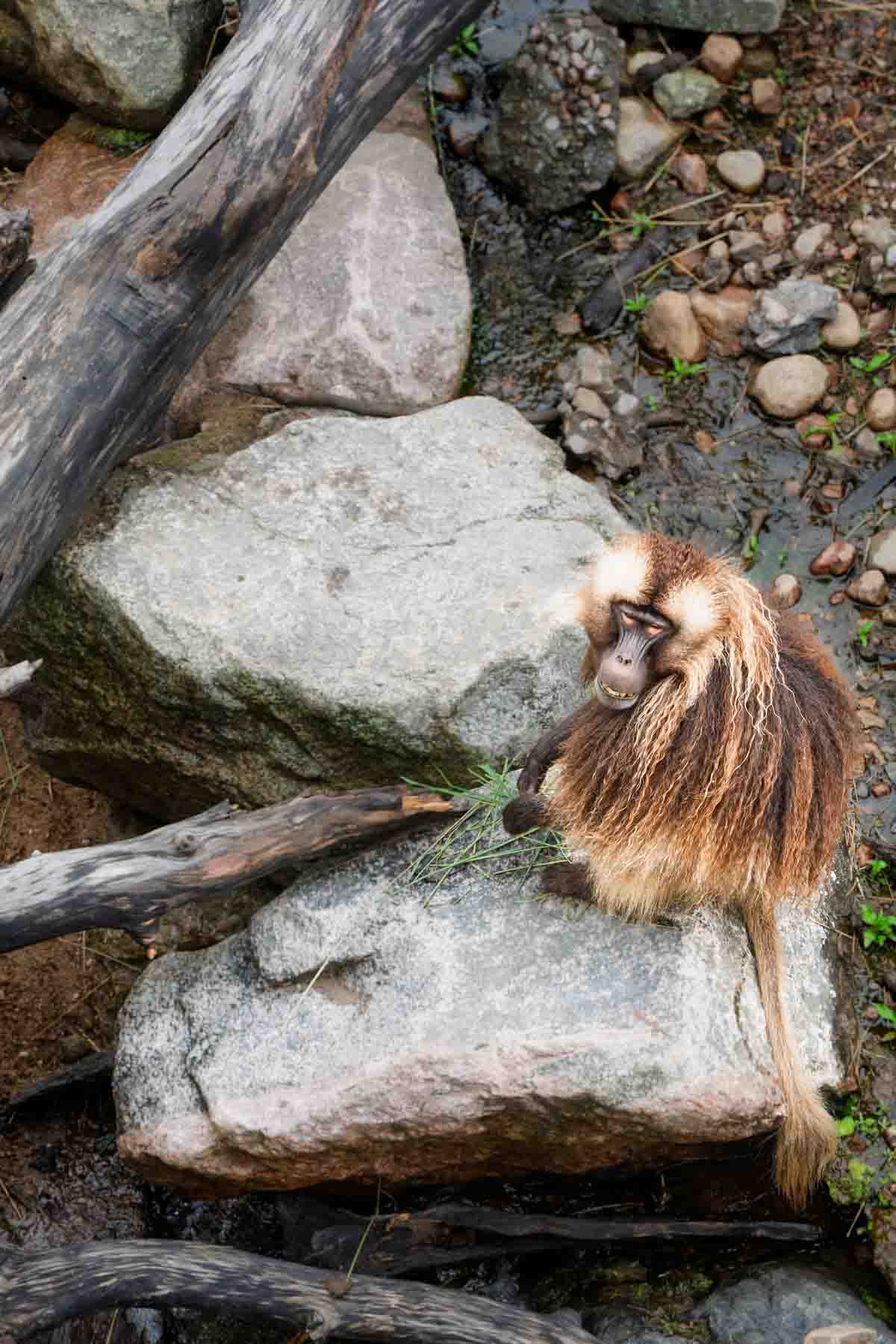
Gelada Baboon
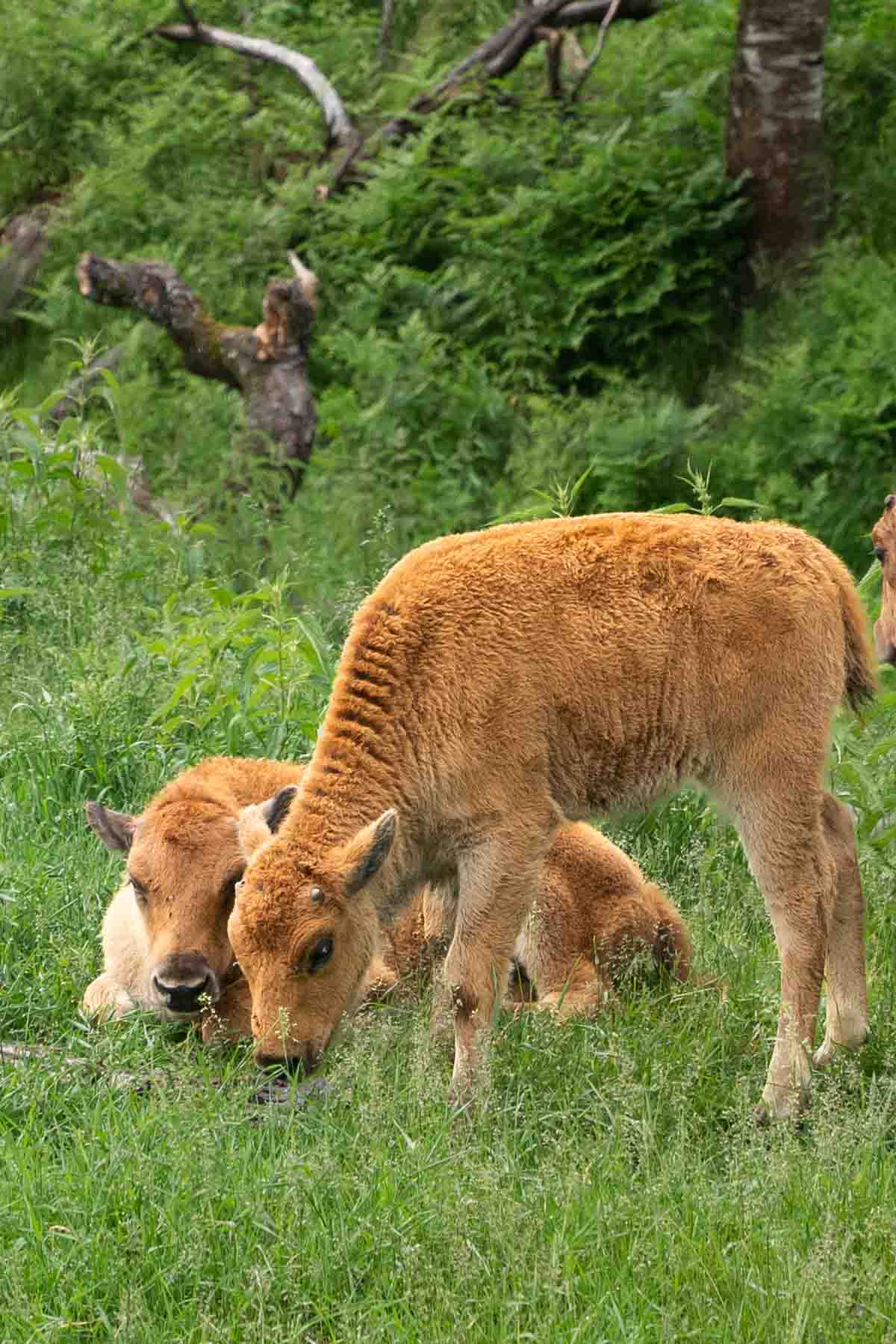
Plains Bison, including calves
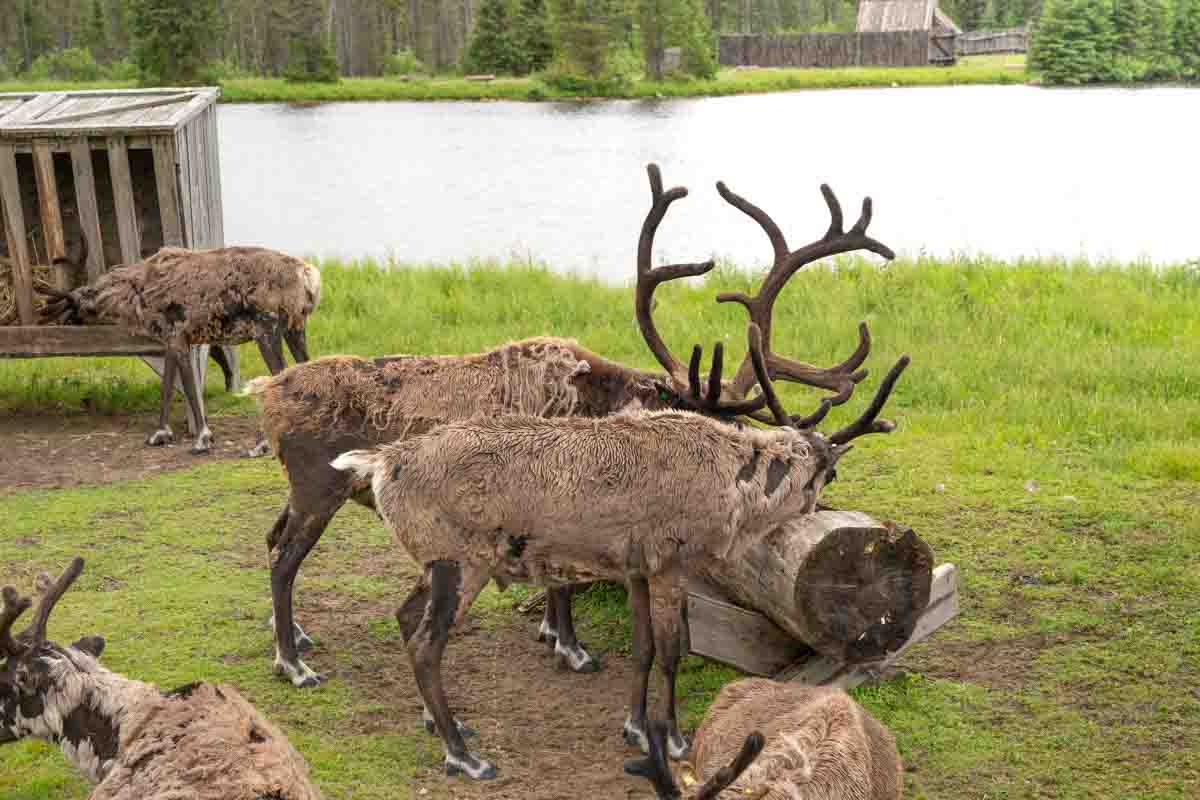
Reindeer / Caribou
Musk Oxen, including a baby
Northern Elk
Black-tailed Prairie Dogs
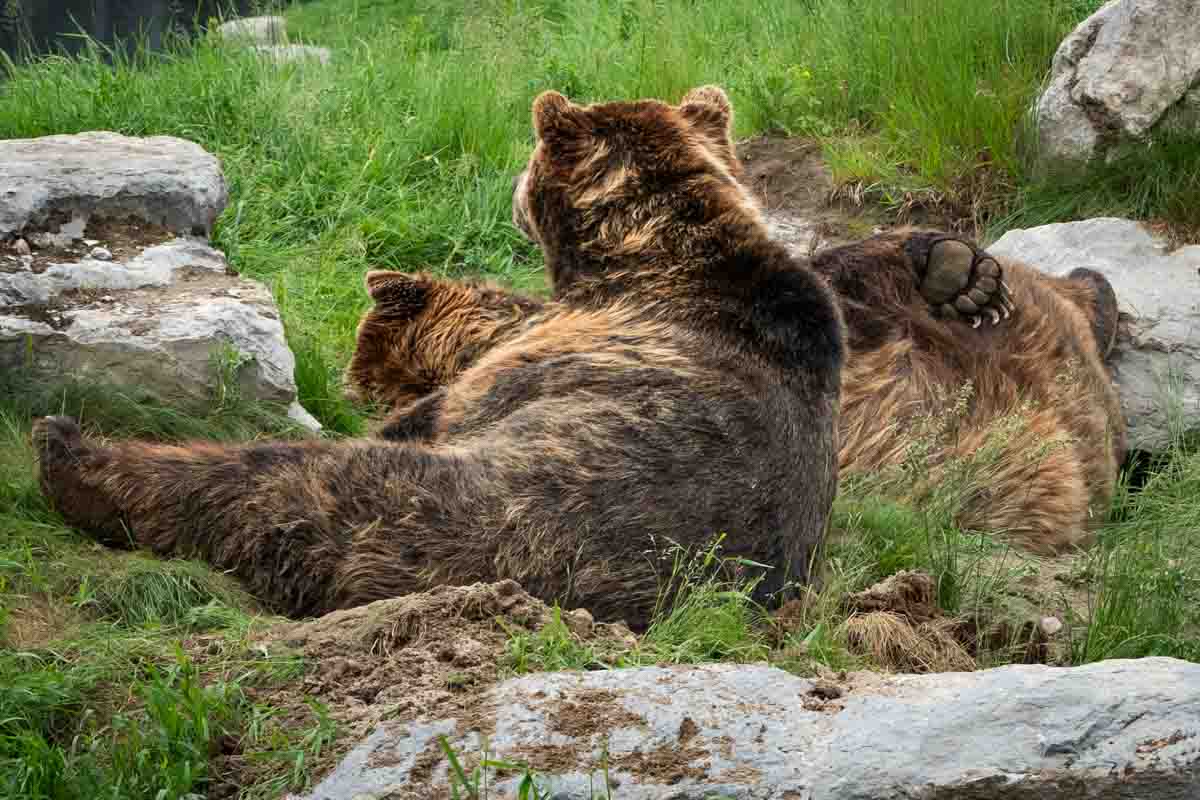
American Black Bear
Grizzly Bear
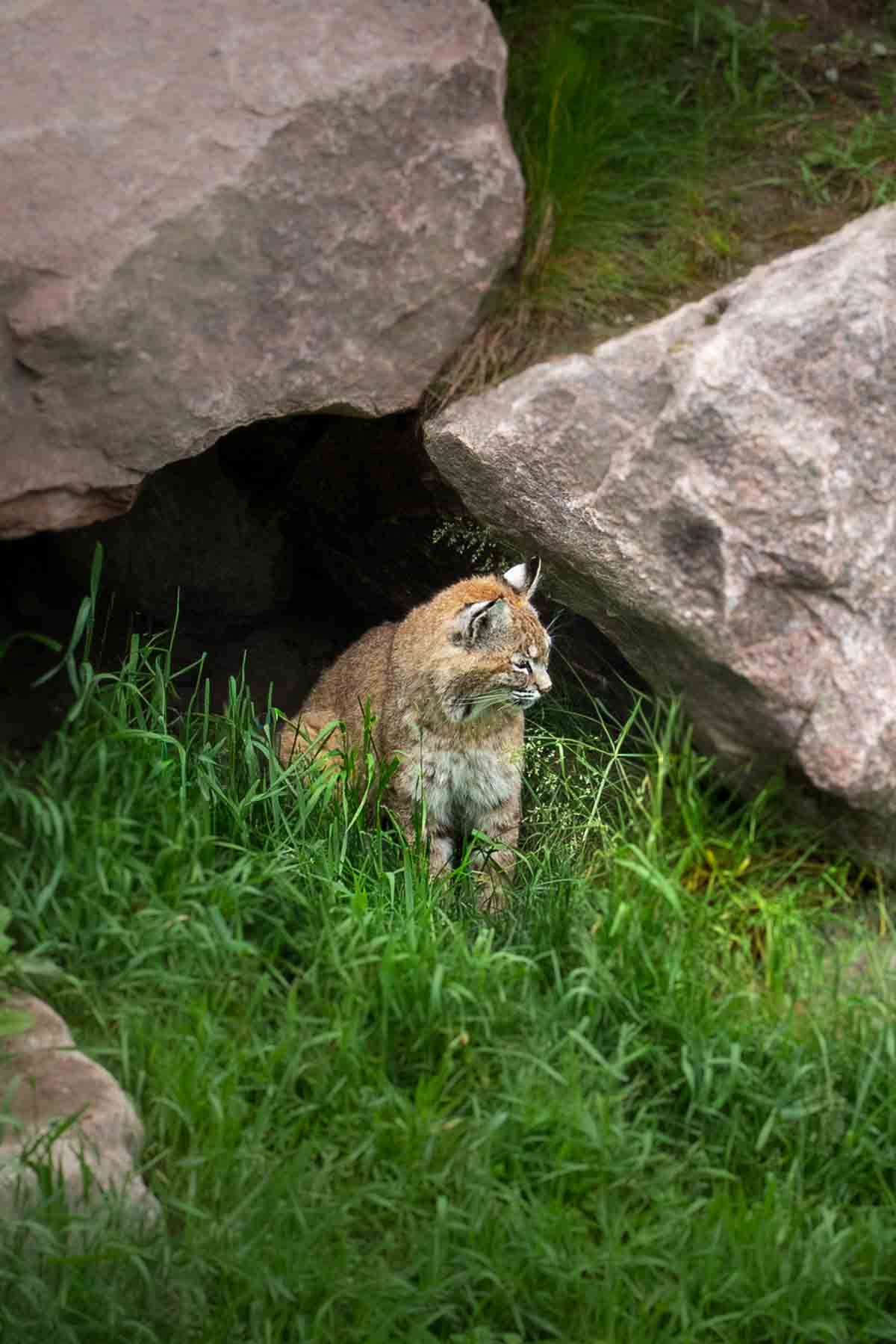
Canadian Lynx
Polar Bear
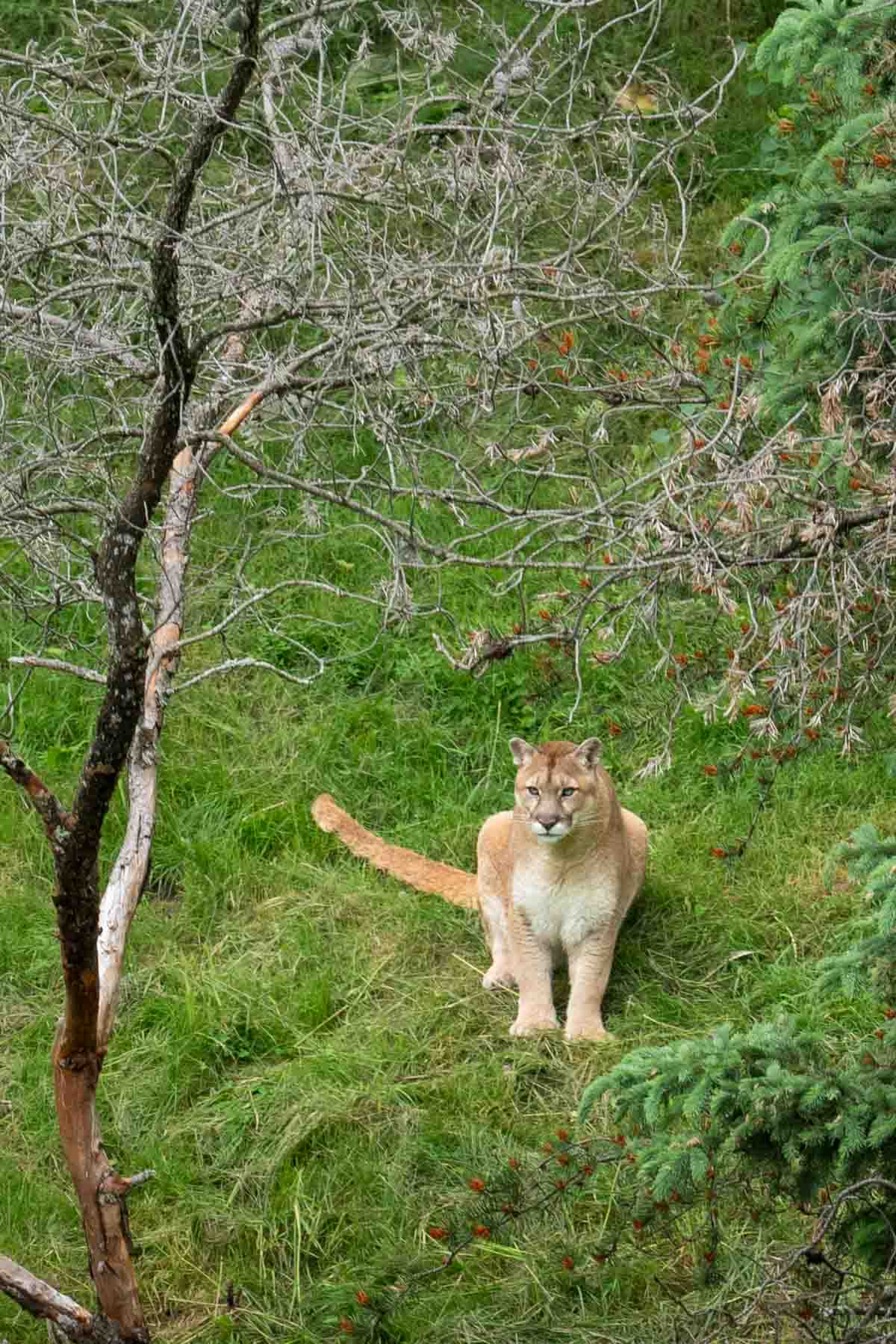
Cougar
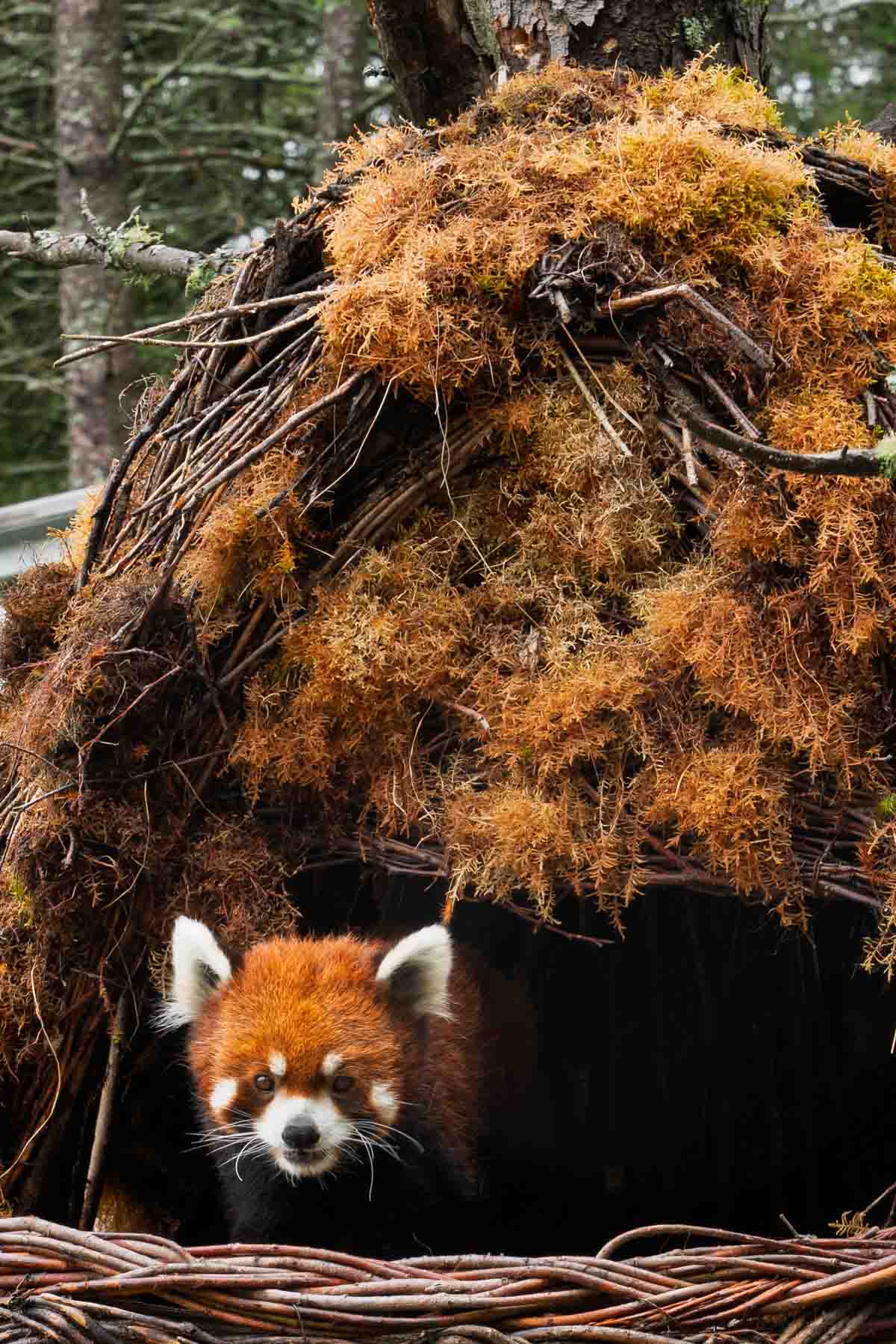
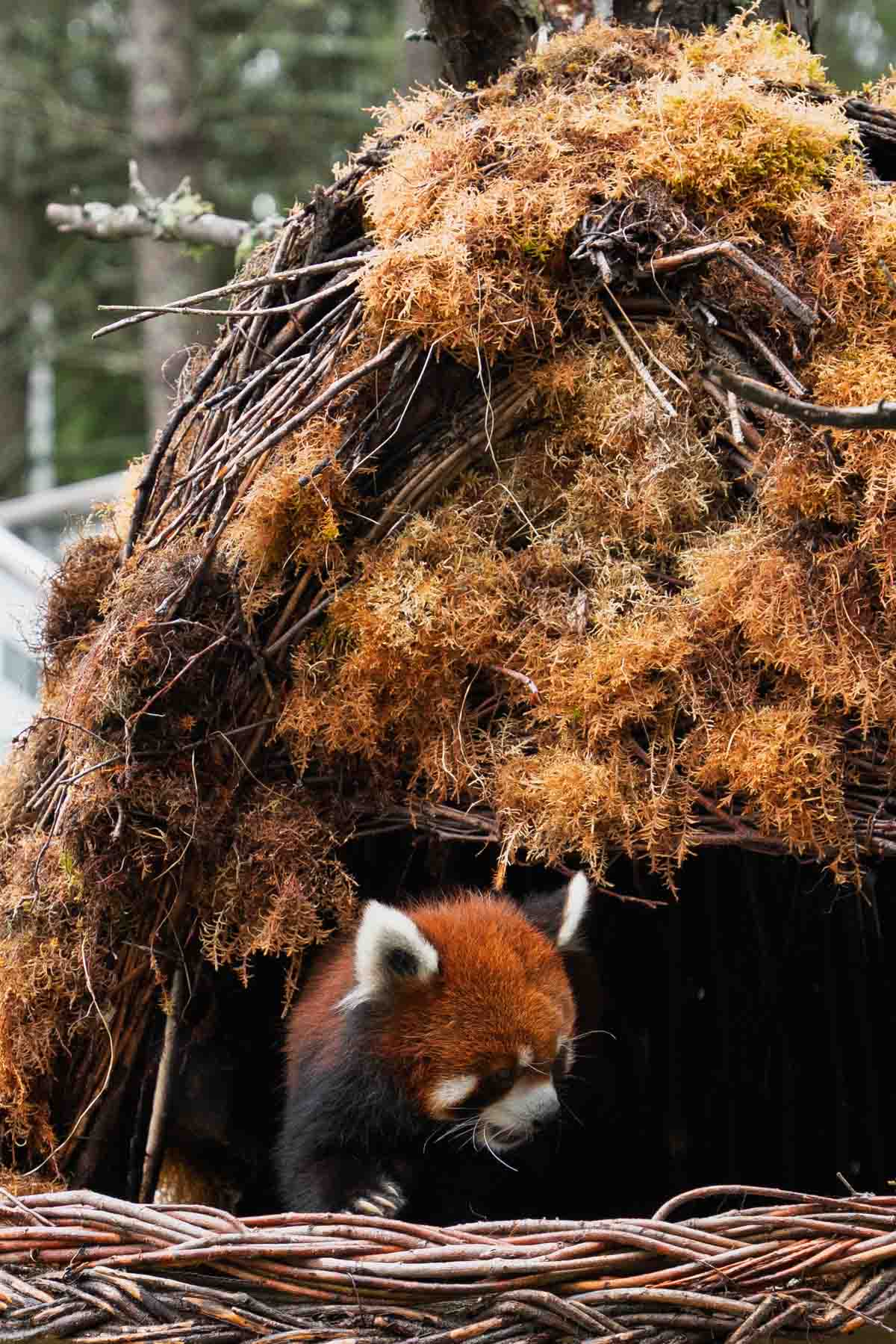
Red Pandas
Arctic Wolves
And so many more! From otters to wolverines, to alpaca, to tigers, to turtles, there is something for everyone!
This is a nature photographer’s paradise - I may have been obsessed with the adorable photos of the red panda!
Best time to visit Saint-Félicien Zoo
If you visit in the winter, you will have a totally different experience from visiting in the summer. There is something so endearing about seeing animals surrounded by a blanket of snow. If you visit in the winter, it will be much colder, and the daylight hours are shorter. There might be less crowds as well.
If you visit in the summer, the weather may be more moderate, but there will be more people. A summer visit usually takes about 4-5 hours, while a winter visit is shorter. Ticket prices also vary by season. The trail rides also vary by demand, so be sure to inquire when you are there.
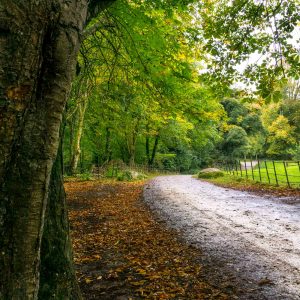
Although I went in the summer, I’d recommend a fall or spring visit. If you visit in the spring, you’ll see baby animals. We did see calves, but they weren’t fresh babies. For photography, the greens will pop in the spring, but nothing can beat the autumn splendor of leaves.
No matter when you plan to visit, you will enjoy this fantastic Quebec family attraction. If I lived nearby, I’d plan a visit seasonally, as each visit will provide new sightings and different experiences.
Planning your visit
Location - how to get to the zoo
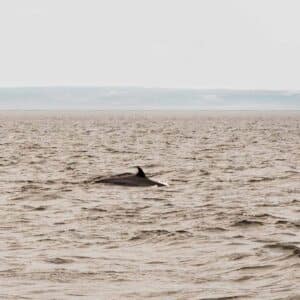
If you’ve done some whale watching in Charlevoix, it’s about a 4 hour drive up to the zoo. From Quebec City, it is just under 4 hours, while Montreal is just over 6 hours. Unfortunately, there is no public transportation that will take you to the zoo, so you must have your own vehicle. I would suggest making the trip for several days, as there is so much to see in the Saguenay Lac-Saint-Jean region!
Tickets and Opening Hours
Ticket prices vary during the season and by age. Opening hours are also dependent on the season. For the most accurate information, consult the zoo’s website or call 418-679-0543 or 1 (800) 667-5687. Please note parking is free!
Food and facilities
The zoo has numerous restaurant choices. I had a phenomenal grilled chicken salad, which was perfect for my gluten free diet. You can also pack your own food, and enjoy the picnic areas. From my perspective, the zoo is very accessible. For those that need further info, they do have a dedicated page on their website for accessibility needs.
Tips for photographers
First, you will need a large sd card to hold all those images! This is my go to card! Second, don’t go in with your heart set on photographing one specific animal, as you never know which one will be the best poser of the day. To be honest, I never considered the wolverine, but he was a ham that even did a somersault that I was able to catch on video. He was more elusive when it came to still shots.
I used my Sony Alpha a7Riii along with a Sigma 24-70. I wanted to bring just one lens. On the train ride, a longer lens might have worked better, but the Sigma gave me the reach I needed for 90% of my shots. Honestly, the black bear was so close that the 24 was tight!
Our tour was in the middle of the day, but I can only imagine what the shots would look like during blue hour or golden hour. Animal schedules vary too, so one might be more active in the evening vs others. Drone photography is not allowed, so mine stayed in my bag.
Is Zoo Sauvage de Saint-Félicien worth visiting?
Absolutely! Not only is there a large number of animals to view, but the location is incredible. With the more natural approach to enclosures, it feels more like being in nature than being at a zoo. This is easily an all day event that would be perfect as a family trip.
There are other activities nearby if you want to make it more of an extended trip. Val-Jalbert is nearby and is also great for families. It gives you a chance to literally step back in time. Musée Ilnu de Mashteuiatsh is a fantastic way to explore the history of the Pekuakamiulnuatsh. While you are in the area, be sure to take a Fjord tour!
If you are visiting Quebec, the zoo offers plentiful opportunities to build memories for families, photographers, and wildlife lovers.
Frequently asked questions about Zoo Sauvage de Saint-Félicien
The zoo is most famous for its unique Nature park where animals roam free. Humans can watch this from a “train” which consists of hooked vehicles that drive through the park. You’ll observe Canadian and other cold weather wildlife in a vast natural habitat. Be sure to look for caribou, bison, bears, moose, wolves, and more! The zoo portion hosts other popular animals such as red pandas, polar and grizzly bears, and cougars.
Prices vary based on your age and what season you are visiting. Be sure to note there are discounts for students, children and seniors. Be sure to consult their website for up-to-date pricing and package deals, such as a family package.
We ended up spending almost 5 hours at the zoo. We had a great overview of most of the animals there, but secretly I wish we’d had more time. We rode the nature trail park train ride, visited a large portion of the animal enclosures, and had a behind the scenes viewing of Polar bear biomedical training. We also ate lunch there. I would say to plan on spending a minimum of 4 hours.
We visited in the early summer and the weather was fantastic. That said, seeing newborns in the spring would be delightful, and I’m sure that the autumn colors would be spectacular in the fall. Winter, although cold, could be a magical time to see the animals in their habitat.
We arrived by car. It is about 5 hours from Quebec City and 3.5 hours from Charlevoix. Public transportation in this area doesn’t exist, so plan on having your own vehicle. This would be hard to do as a day drive from either city, so I would suggest spending at least one night in the area.
Yes! The zoo offers designated picnic areas. There are also several restaurants and snack bars in case you forgot something!
The answer is no if you are looking for petting and feeding of some of their unusual animals. You can however find the animals feeding schedule on their website so you can get a better view of the animals while being fed or having biomedical training done. Also, the train does offer a unique perspective that can rival the encounters offered by other zoos.
Absolutely! This will be a favorite of youngsters, and adults alike have just as much fun! The zoo area is very stroller friendly.
Final thoughts on my visit:
It’s hard to pin down my favorite moment. Being so close to a Black Bear was incredible, the Red Pandas were beyond adorable, and watching the Polar Bears do biomedical training was a once in a lifetime kinda thing.
Looking back, what impressed me the most about Zoo Sauvage Saint-Félicien is the incredible area the animals are in. The enclosures are more than oversized and echo the area that the animals are naturally found in. The area of the zoo train is as close to nature as it gets. So much time and effort have been put into making the animals feel right at home.
Zoo’s can bring up points of contention where there are no easy answers. I feel that the zoo has done a superb job of giving a loving and vast home to the animals who provide education along with joy to the visitors. They are accredited by the World Association of Zoos and Aquariums, International Zoo Educators Association and Canada's Accredited Zoos and Aquariums.
I hope you stop by and enjoy it as much as I did! If you do, please leave me a comment on what your favorite animal or moment was!




Comments
No Comments